Top Convention Experiences in America: Ultimate Event Guide
The modern commercial trade show and professional association sector operates within an expansive, highly competitive hospitality landscape where physical infrastructure directly dictates business outcomes. Mega-scale convention environments function as complex socio-technical nodes, accommodating tens of thousands of corporate executives, researchers, and global exhibitors under single expansive roofs. Consequently, analyzing these high-capacity venues requires an intricate examination of clear-span structural load capacities, subterranean freight logistics grids, high-density digital networking architectures, and multi-tiered sub-block accommodation matrices.
Evaluating premier industry gatherings involves looking far beyond standard leisure travel metrics to scrutinize master service agreements, drayage handling efficiencies, and acoustic isolation indices across divisible grand ballrooms. Corporate procurement directors, association executives, and event designers must navigate rigorous attrition liabilities, complex cut-off date compliance milestones, and integrated housing bureau software. Establishing a comprehensive analytical framework is vital for optimizing capital expenditure, controlling accommodation overhead, and ensuring uncompromised event execution across diverse national markets.
Ultimately, mastering this specialized domain demands an uncompromised editorial perspective. Whether evaluating a commercial real estate portfolio or choosing a primary host venue for an international congress, understanding the mechanics of large-scale event infrastructure protects long-term value. This reference provides an objective exploration of the structural frameworks, evaluation models, and operational profiles defining the top convention experiences in america.
Understanding “top convention experiences in america”
Unpacking the Core Concept
The phrase top convention experiences in america is frequently oversimplified in commercial travel journalism and corporate event planning blogs. General publications often reduce intricate property and city evaluations to superficial mentions of warm weather, celebrity-chef restaurants, or lobby aesthetics. Praising a modern interior design or a vibrant rooftop lounge gets treated as the primary marker of institutional excellence. However, these generalized summaries ignore critical structural realities. Master-planning an elite venue selection strategy requires analyzing cumulative versus per-night attrition liabilities, integrated exhibition hall proximity, back-of-house service corridor capacities, and custom sub-block cascading schedules across distributed hotel networks. Furthermore, analysts must distinguish between self-contained resort complexes, urban vertical convention properties, and sprawling municipal mega-centers.
Evaluating Measurable Financial and Structural Parameters
In professional hospitality asset management, executing an accurate venue and destination assessment requires focusing on measurable structural and financial parameters. These parameters include meeting space-to-guest room ratios, high-density bandwidth capabilities, freight elevator weight limits, and historical pick-up velocity curves. Moreover, cut-off date milestone compliance and sub-block release schedules dictate true administrative performance. A common misunderstanding assumes that holding massive room counts guarantees safety against unexpected surges in registration. In reality, true operational efficiency lies in verifying historical conversion patterns to avoid structural bottlenecks, which trigger severe logistical friction during peak convention hours.
Operational Friction Points
Analyzing these operational challenges requires recognizing a fundamental tension. Planners must balance the desire to provide abundant, low-cost accommodation options against the harsh financial liabilities imposed by unsold room nights and infrastructure limitations. Anyone researching comprehensive methods on top convention experiences in america will uncover unique administrative friction points. Organizations operating without automated housing software frequently struggle with manual spreadsheet reconciliations, leading to uncredited bookings, misplaced guest profiles, and catastrophic attrition billing disputes.
Planners relying entirely on rudimentary booking tools routinely miss critical contractual vulnerabilities. Therefore, mastering core principles involves deep industry collaboration. Event organizers, corporate procurement directors, destination management executives, and third-party housing bureau partners must unite to establish enduring benchmarks of institutional performance.
Deep Contextual Background
Historical Roots of Convention Real Estate Development
The historical evolution of large-scale event management traces distinct roots across mid-twentieth-century trade association gatherings, where block reservations and venue selections were managed entirely via physical mail correspondence and paper ledger books. In early eras of convention development, host cities maintained informal relationships with event organizers, holding blocks of downtown hotel rooms with minimal financial enforcement. These early arrangements prioritized personal trust and flexible handshake agreements over formalized legal accountability.
The Shift Toward Integrated Mega-Resorts and Urban Hubs
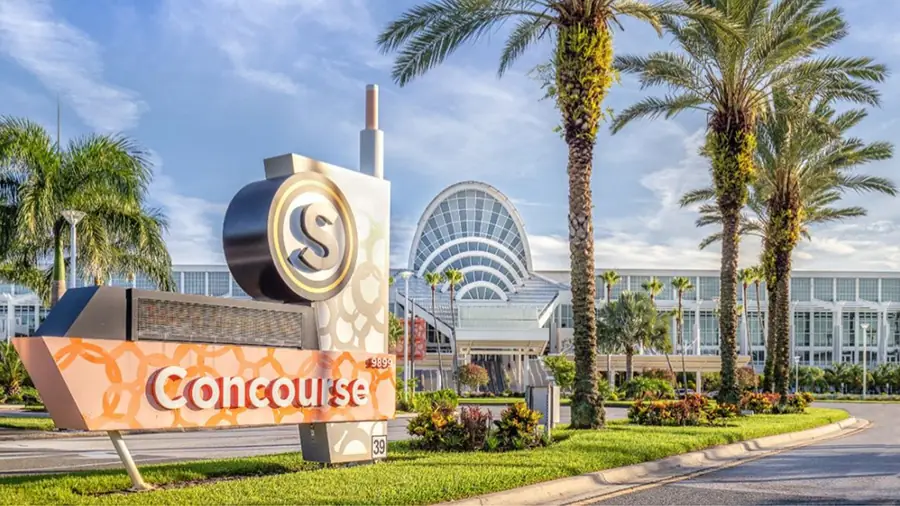
Throughout the late twentieth century, the explosive growth of the convention industry catalyzed a structural shift. Cities constructed massive public exhibition halls, while hospitality developers responded by building vertically integrated mega-hotels directly connected via enclosed skybridges. Properties such as McCormick Place in Chicago, the Orange County Convention Center in Orlando, and the Las Vegas Convention Center introduced strict attrition clauses, non-negotiable cut-off dates, and performance-based financial penalties to protect perishable inventory against speculative blocking. Concurrently, the emergence of centralized housing bureaus transformed how organizations managed multi-property room blocks.
Modern Hybrid and Dynamic Inventory Demands
By the mid-2020s, new socioeconomic shifts accelerated demand for highly dynamic, decentralized accommodation strategies. The convergence of hybrid event formats, bleisure travel extensions, and alternative lodging options changed how delegates interact with official room blocks. Modern housing planners now balance master-contracted headquarters hotels against decentralized sub-blocks and dynamic rate agreements. Examining this sector requires navigating a mature national market where urban vertical convention properties and sprawling resort campuses define dual paths of housing evolution.
Conceptual Frameworks and Key Variations
Essential Analytical Models
Evaluating the operational maturity and financial exposure of large-scale convention housing relies on structured mental models:
-
The Attrition Exposure Index (AEI): Quantifies the financial risk associated with unfulfilled room nights under cumulative contractual terms.
-
The Pickup Velocity Curve Model: Tracks daily reservation rates against historical benchmarks to predict final block utilization before cut-off dates.
-
The Concession Offset Matrix: Evaluates the economic value of negotiated extras—such as complimentary Wi-Fi and VIP upgrades—against room rate minimums.
-
The Sub-Block Cascading Framework: Manages the phased release and reallocation of unassigned rooms across tiered hotel properties based on attendee demographic preferences.
Categorizing Convention Destination Variations
-
Tier-1 Urban Mega-Destinations: High-density metropolitan hubs featuring multi-million-square-foot exhibition centers and massive hotel footprints.
-
Sunbelt Resort Convention Campuses: Sprawling warm-weather destinations combining expansive outdoor function spaces with integrated golf and spa amenities.
-
Historic Cultural Metropolises: Restored architectural centers blending heritage venues with contemporary multi-story meeting additions.
-
Boutique Regional Convention Hubs: Mid-sized cities offering high-walkability districts and personalized local vendor engagement.
-
Casino-Resort Entertainment Titans: Massive entertainment-hospitality complexes in destination markets featuring vast exhibition halls and arena-scale seating.
-
Airport-Adjacent Executive Hubs: Ultra-convenient high-end properties designed for rapid executive transit and streamlined corporate arrivals.
Realistic Decision Logic
When applying decision logic, discerning event planners must align housing architecture with the specific demographic profile and budgetary constraints of their organization. High-density medical and tech congresses benefit from tiered multi-property networks supported by automated housing bureaus in Tier-1 urban hubs. Conversely, elite executive summits thrive on consolidated headquarters hotel master blocks managed via master-billed corporate accounts.
Detailed Real-World Scenarios
Managing Unexpected Attrition Penalties Due to Low Advance Registration
An international trade association contracts 1,000 room nights across three downtown convention properties for an annual summit.
-
Constraint: Economic headwinds cause early registration numbers to lag 35% behind historical baselines sixty days prior to the event.
-
Failure Mode: Approaching the standard cut-off date, the organization faces severe cumulative attrition penalties exceeding six figures for unreserved rooms.
-
Decision Point: Immediately execute a negotiated room block review with hotel revenue managers, leveraging a stepped reduction clause to safely release inventory while launching an aggressive attendee incentive campaign.
Resolving Housing Discrepancies Caused by Attendees Booking Outside Official Blocks
A major professional society coordinates a 5,000-attendee annual meeting utilizing an official online housing portal linked to event registration.
-
Constraint: A significant percentage of attendees bypass the official housing link to book discounted rates directly through third-party consumer aggregators.
-
Failure Mode: Official room blocks show poor pickup, triggering threats of attrition penalties from host hotels despite strong overall event attendance.
-
Decision Point: Negotiate an audit clause in the original contract allowing cross-checking of attendee lists against hotel check-in manifests to capture off-block bookings.
Coordinating Complex VIP Extensions and Early Arrivals
A global financial conclave requires specialized housing management for high-net-worth delegates arriving from international time zones.
-
Constraint: International executives require non-standard arrival dates spanning up to four days prior to the official conference start.
-
Failure Mode: Hotel inventory systems reject shoulder-date reservations, forcing VIPs to book separate, uncoordinated accommodations outside the secure block.
-
Decision Point: Establish pre- and post-extension clauses within the master contract, ensuring group rates apply to shoulder dates and incorporating these nights into performance calculations.
Navigating Concession Offsets During Budget Shortfalls
A mid-sized non-profit organization encounters a modest room block shortfall during a regional educational symposium.
-
Constraint: The organization faces a minor attrition billing charge, threatening an already tight administrative event budget.
-
Failure Mode: Paying the cash penalty drains financial reserves allocated for future programming.
-
Decision Point: Negotiate an offset agreement with the hotel sales director, redirecting the financial penalty value into enhanced on-site food and beverage catering.
Planning, Cost, and Resource Dynamics
Executing a robust convention strategy involves balancing substantial financial exposures against the long-term revenue yields of optimized room blocks. Intangible assets like attendee convenience, brand reputation, and streamlined check-in experiences justify careful upfront planning. Furthermore, the economic model requires analyzing indirect operational expenses against total event lifecycle value.
| Destination Tier | Financial Risk Exposure | Administrative Complexity | Strategic Reliability Outcome |
| Tier-3 Secondary Market Hub | Low to moderate liability | Low; streamlined local coordination | High risk of limited auxiliary hotel inventory |
| Tier-2 Regional Center | Moderate exposure | Moderate; standard pickup monitoring | Predictable room availability; balanced financial terms |
| Tier-1 Urban Mega-Destination | High (Strict performance minimums) | High; mandates automated housing technology | Maximum inventory control; guarantees headquarters proximity |
Tools, Strategies, and Support Systems
-
Integrated Event Registration Platforms: Centralized digital ecosystems linking attendee badge registration directly to real-time hotel inventory.
-
Automated Attrition Tracking Dashboards: Analytical software tools monitoring daily pickup velocity and alerting planners to potential contract shortfalls.
-
Sub-Block Allocation Portals: Specialized software enabling corporate sponsors and exhibitors to manage internal room allocations for their respective staff members.
-
Hotel Property Management System APIs: Direct data bridges ensuring seamless guest manifest reconciliation between event organizers and host hotel front desks.
-
Third-Party Housing Management Bureau Services: Professional consultancy firms providing outsourced contract negotiation, inventory oversight, and customer support desks.
Risk Landscape and Failure Modes
The primary operational hazard inherent in convention management involves unmanaged attrition liabilities resulting from inaccurate attendance forecasting. When an organization over-contracts room nights based on inflated historical projections without protective contractual buffers, an unexpected dip in registration triggers severe financial penalties. Professional housing planners mitigate this hazard by adopting conservative initial block sizing and securing stepped reduction milestones.
Another compounding risk relates to data security and privacy vulnerabilities during guest profile transmission. Because housing systems collect sensitive personal data, credit card details, and travel itineraries, inadequate encryption can expose organizations to regulatory penalties. Professional administrative teams counteract this by mandating SOC-2 compliant hosting environments and utilizing tokenized payment gateways for all housing transactions.
Governance, Maintenance, and Long-Term Adaptation
Sustaining high administrative standards across multi-year convention housing life cycles requires a disciplined review process. Event directors and procurement managers must maintain comprehensive historical audit logs, tracking past block utilization and hotel partnership performance. If a specific property or destination demonstrates inflexibility during contract negotiations, management must promptly exclude that market from future rotation cycles.
Portfolio governance must also adapt to shifting corporate travel policies, evolving data privacy mandates, and emerging consumer booking preferences. Maintaining ongoing communication with corporate housing partners ensures reservation platforms remain responsive to changing industry standards. Proactive governance protects both invested organizational capital and long-term attendee satisfaction across competitive national markets.
Measurement, Tracking, and Evaluation
-
Block Pickup Percentage: Measures the total utilized room nights against the total contracted room inventory baseline.
-
Cut-Off Date Compliance Ratio: Tracks the percentage of reservations secured prior to the contractual penalty deadline.
-
Attrition Penalty Cost Variance: Quantifies net financial losses incurred due to unfulfilled room night commitments.
-
Attendee Housing Satisfaction Score: Evaluates survey feedback regarding reservation ease, hotel service quality, and billing accuracy.
Common Misconceptions and Oversimplifications
-
Myth: Finding top convention experiences in america simply requires choosing the city with the largest population and most famous tourist attractions. Reality: High population and leisure appeal do not guarantee streamlined convention logistics, walkability to exhibition halls, or favorable hotel contract terms.
-
Myth: Cumulative attrition clauses function identically to per-night attrition terms across all hospitality portfolios. Reality: Cumulative terms allow flexible distribution of room nights over the event duration, whereas per-night terms enforce strict daily minimums.
-
Myth: Attendees booking outside the official housing block have zero impact on the organization’s financial standing. Reality: Off-block bookings directly cause room block shortfalls, triggering severe attrition penalties.
-
Myth: Hotel cut-off dates are flexible guidelines that can be easily extended without prior administrative approval. Reality: Cut-off dates are strictly enforced contractual milestones after which unbooked inventory reverts immediately to hotel control.
-
Myth: Courtesy blocks require financial guarantees and expose the organization to hidden cancellation penalties. Reality: Courtesy blocks hold inventory with zero financial liability, though hotels rarely grant them during peak seasons.
-
Myth: Automated housing software eliminates the need for human oversight and weekly inventory audits. Reality: Software automates data collection, but active human oversight remains essential for interpreting pacing curves.
Ethical, Practical, or Contextual Considerations
Evaluating large-scale housing frameworks intersects with broader discussions regarding fair labor practices, environmental sustainability, accessibility compliance, and community displacement in host cities. As major convention housing blocks consume significant urban real estate, balancing commercial hospitality growth with environmental responsibility remains essential. Consequently, supporting properties and destinations that invest in green building certifications and fair wage agreements helps protect regional ecosystems. Progressive organizations address these ethical considerations by incorporating corporate social responsibility criteria into every venue selection process. Simultaneously, maintaining rigorous financial discipline remains a core priority.
Conclusion
Mastering the complexities involved in orchestrating venue selection and risk-mitigation strategies for institutional lodging requires an uncompromising analytical perspective. True professional excellence involves looking past surface-level promotional travel portals to examine attrition exposure indices, pickup velocity curves, and sophisticated concession matrices across premier national markets. When event organizers and procurement directors systematically evaluate these financial and logistical dynamics, they ensure lasting budget protection, operational predictability, and uncompromised attendee satisfaction. Rigorous planning achieves absolute administrative control, strict risk mitigation, and enduring success across any major destination nationwide.